Best & worst airlines in the USA for canceled flights: Rankings that could save your 2026 trip
See how the 9 major US airlines stack up for canceled flights. Learn the chances of a cancellation based on AirAdvisor AirData, and how to fly better in 2026.
TL;DR
- The worst-ranking US airline for flight cancellations is JetBlue.
- The US airline with the lowest flight cancellation rate is Allegiant Air.
- US airline flight cancellation rates range from 0.77% to 3.3% of flights.
- AirAdvisor’s AirData compiled canceled flight rates from January 1, 2025, to December 31, 2025.
- The main ranking benchmark is each airline’s annual cancellation rate, which is the total flights canceled as a percentage of total flights.
- The majority of flight cancellations on US airlines happen on short-haul flights (under 932 miles).
You’ve planned your trip diligently and are finally traveling to a vacation destination or heading home. But then, your airline throws a wrench in the plans – your flight gets unexpectedly canceled.
This type of disruption always has a big impact. So, at AirAdvisor, we set out to determine which US airlines have the highest risk of flight cancellations. Using our list, passengers can now book flights to minimize the interruption risk for smoother travel in 2026 and beyond.
Methodology
Based on AirAdvisor’s AirData from January 1, 2025, to December 31, 2025, we were able to determine the US airlines with the highest flight cancellation rates. The lower the rate, the lower the chances of a flight being canceled. In all, we reviewed data for the USA’s 9 largest carriers.
The main evaluation metric is:
- Annual cancellation rate, which is the percentage of canceled annual flights out of the total annual airline operations.
To determine any correlations between cancellations and flight distance, we also examined the distances of each canceled flight. They fall into 3 categories:
- Flights 1,500km (932 miles) or less – short-haul, usually domestic.
- Flights between 1,500km and 3,500km (2,175 miles) – medium-haul, domestic and international.
- Flights over 3,500km – long-haul, usually international.
Our key findings
- In 2025, the USA’s 9 busiest airlines canceled a total of 71,434 flights; an average cancellation rate of 2.09% (more than 2 out of every 100 flights).
- Delta cancels the most flights of any US airline, but JetBlue has the highest flight cancellation rate of 3.3%.
- The US airlines with the lowest cancellation rates are Allegiant (0.77%) and Southwest (1.12%).
- Among the main US carriers with worldwide routes, United cancels the fewest flights (2.06%). So, when you need to reach destinations in Europe, Asia, or Africa, consider United before American and Delta.
- 68% of flight cancellations occur on short-haul trips, partly because these are the most common routes.
Ranking of the 9 major US airlines by flight cancellations
Airline | Total flights | Flights cancelled | Cancelled flights % | |
1 | JetBlue Airways | 152,150 | 5,027 | 3.3 % |
2 | Hawaiian Airlines | 142,006 | 3,743 | 2.64 % |
3 | Delta Air Lines | 836,143 | 20,847 | 2.49 % |
4 | Alaska Airlines | 223,859 | 5,208 | 2.33 % |
5 | American Airlines | 808,452 | 17,274 | 2.14 % |
6 | United Airlines | 751,549 | 15,480 | 2.06 % |
7 | Frontier Airlines | 40,606 | 786 | 1.94 % |
8 | Southwest Airlines | 261,863 | 2,937 | 1.12 % |
9 | Allegiant Air | 19,651 | 151 | 0.77 % |
3 worst US airlines for canceled flights
Here’s more of an in-depth look at the US airlines whose flights are most at risk for cancellations:
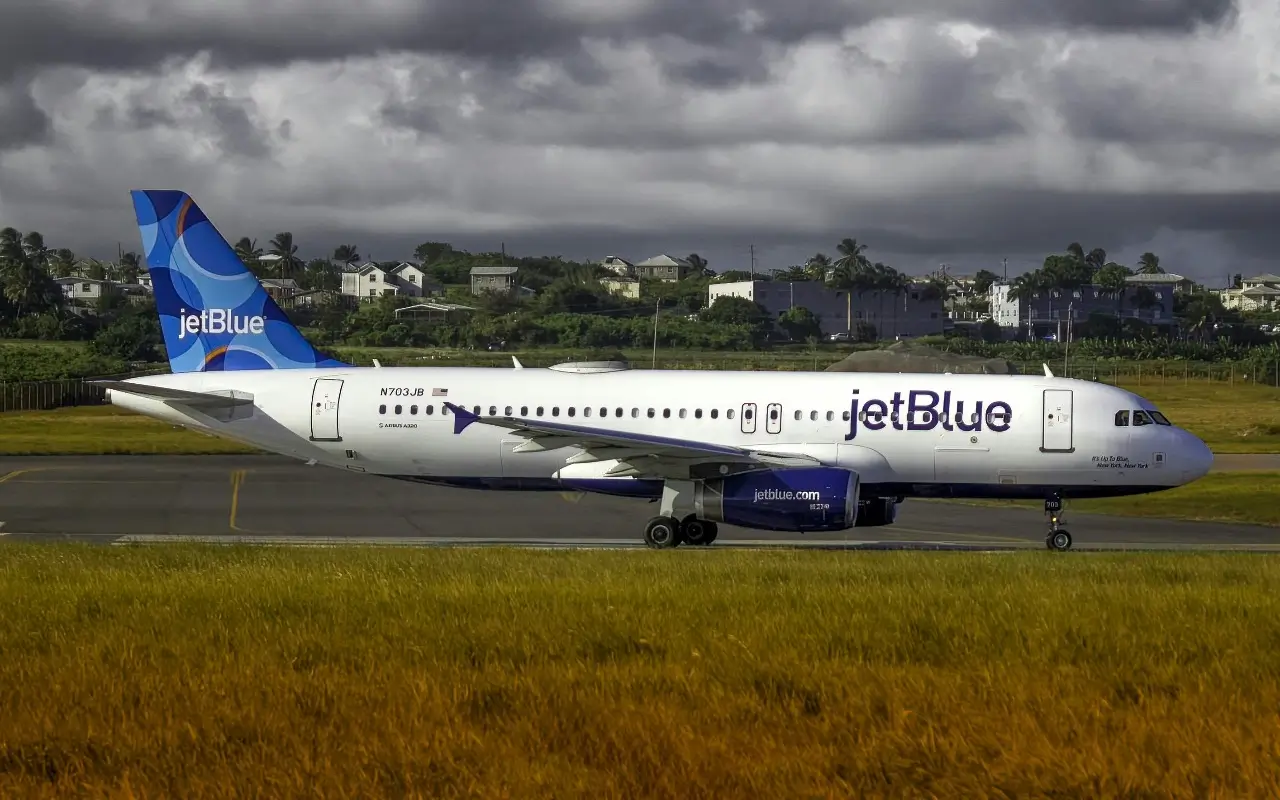
JetBlue Airways
- JetBlue’s cancellation rate (3.3%) is more than 1% higher than American and United, even though JetBlue only operates about 20% of United or American’s volume. So, higher flight volumes don’t mean more cancellations.
- Only 7.5% of JetBlue’s cancellations occur on flights over 2,175 miles. This is consistent with their route breakdown, where most flights are shorter-haul and domestic.
- Instead of choosing a carrier like JetBlue with a rate of over 3 canceled flights for every 100, cut your risk and book with discount carriers like Allegiant, Southwest, or Frontier instead.
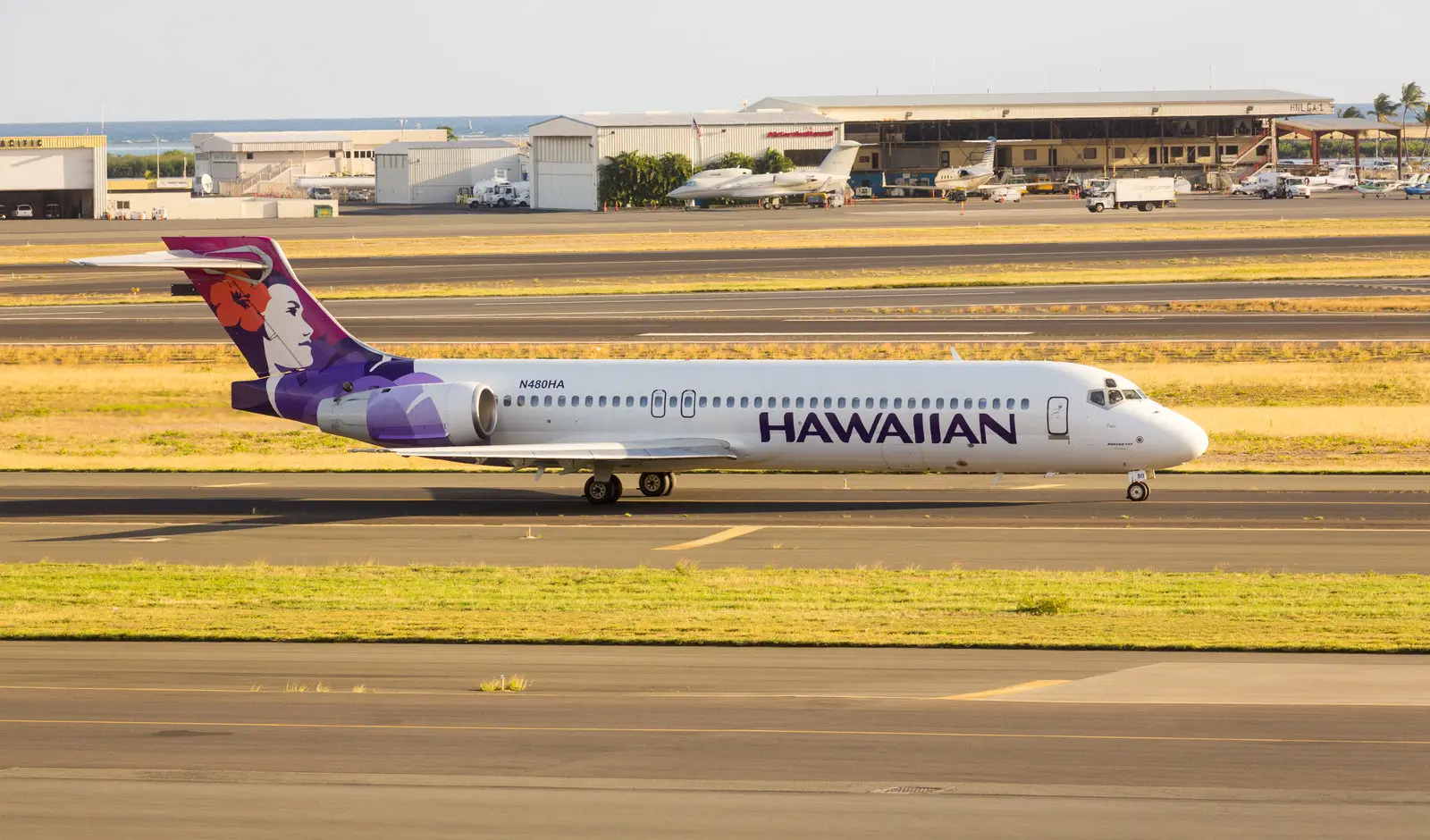
Hawaiian Airlines
- Hawaiian Airlines’ flight cancellation rate in 2025 was 2.64%, 0.55% above the 9-carrier average.
- 71% of Hawaiian’s canceled flights are short-haul. Since Hawaii is a remote island, many of those cancellations are between Hawaiian islands and not to or from the US mainland.
- Due to the high potential for canceled inter-Hawaiian island flights, choose Southwest Airlines or Mokulele Airlines to decrease the risk.
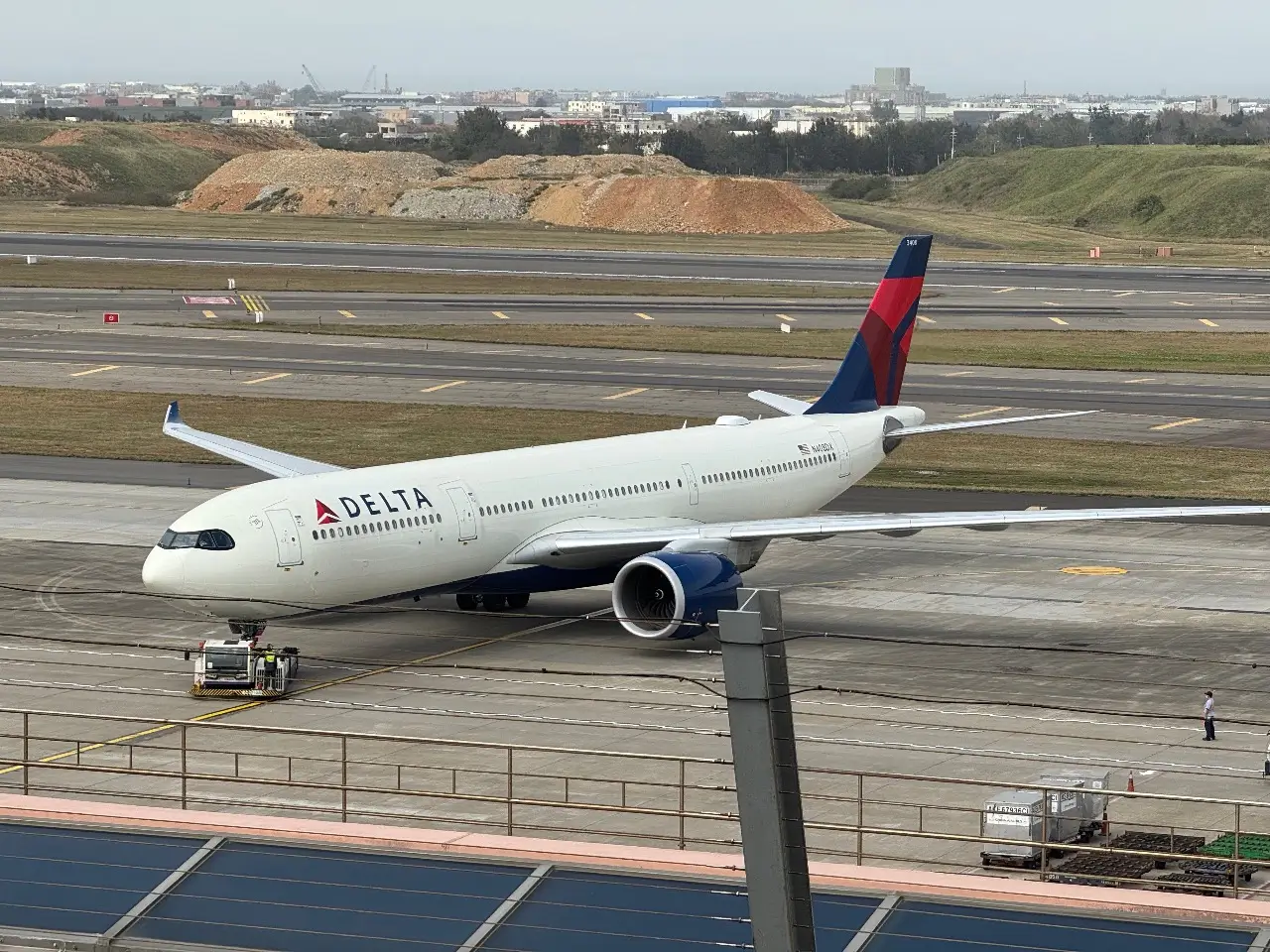
Delta Air Lines
- Delta’s flight cancellation rate is the third-highest in the group at 2.49%. That’s still 0.81% less than JetBlue.
- Delta cancels the highest number of short-haul flights – 14,053 in 2025 – which accounts for 67% of the airline’s total cancellations.
- For long-haul, overseas flights, United Airlines and American are significantly better options.
Best US airline for the lowest flight cancellations – Allegiant Air
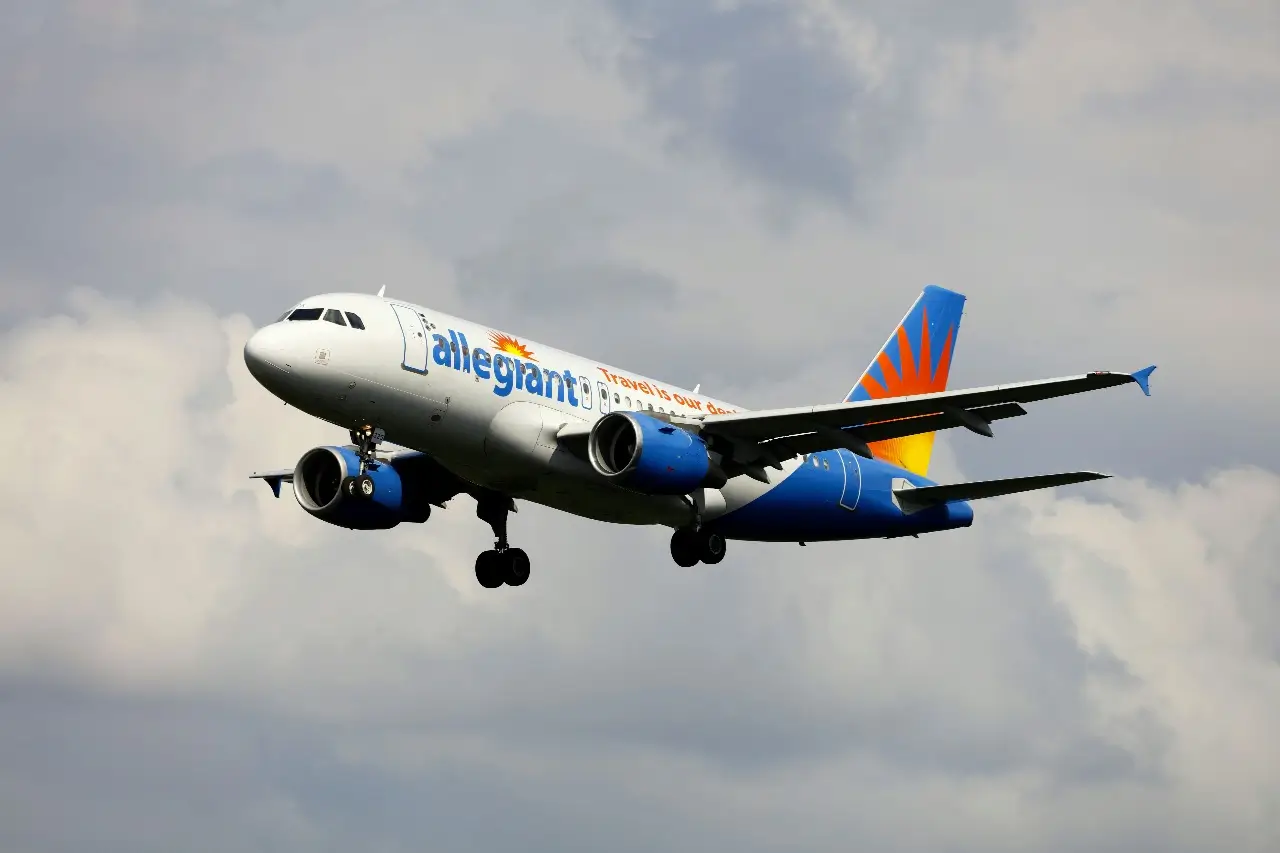
Allegiant Air
- Fewer than 1 in 100 of Allegiant’s flights are canceled (0.77%).
- Only a total of 151 Allegiant flights were canceled in 2025. Unlike the 9 other airlines in the study, the majority of Allegiant’s cancellations were medium-haul routes (57%), not short-haul ones.
- As long as Allegiant has the route you need, this airline is the top choice for passengers who want to avoid cancellations as much as possible.
How to minimize your chances of cancellations with US airlines
The good news is that even if you choose an airline with a high cancellation rate, most flights don’t get disrupted. This is what you can do to reduce interruptions to your travel:
- Choose early morning departures – Morning flights are less likely to be canceled because aircraft and crews are already in place. As the day goes on, delays can snowball, so by the time the evening rolls around, cancellations become far more common.
- Track weather patterns – Don’t just check the forecast for where you’re going. Look at the conditions in connecting cities, too. Major hubs in the Northeast and Midwest are especially vulnerable to snow, storms, and knock-on disruptions.
- Avoid tight connections – Short layovers might seem like a good idea to minimize idle time, but they don’t leave any room for error. If your first flight is canceled, missed connections aren’t guaranteed if you have enough time and can hop on another flight quickly. Better yet, fly direct whenever possible.
- Check the airline’s reliability before booking – Use our list to guide you when booking your next flight. For example, choose Allegiant, Southwest, and Frontier over JetBlue, Delta, and Hawaiian.
- Have a backup plan ready – Know your alternatives in advance, such as other flights, nearby airports, or even train routes. If things go wrong, you’ll be able to act quickly instead of scrambling.
At the end of the day, whether or not your flight gets canceled is outside your direct control. But at least there are a few things you can do to prepare. And if your international flight involving the UK or EU is canceled on short notice, you may also have the right to claim flight cancellation compensation to help with the inconvenience. See if you’re eligible here.
Data Use Rights
AirAdvisor publishes AirData insights based on aggregated flight performance data analyzed for consumer information purposes. Journalists, researchers, and industry professionals are welcome to reference these findings with attribution. Please cite the source as: “Data source: AirAdvisor AirData” and include a link to the original page where the data appears. The full dataset is available upon request.
For media inquiries, data clarifications, or reuse permissions beyond citation, please contact press@airadvisor.com.
FAQs
Why do some airlines cancel more flights than others?
Cancellation rates are influenced by factors like route networks, fleet size, staffing levels, weather exposure, and how an airline manages delays. Carriers that rely heavily on busy hubs are generally more vulnerable.
Are budget airlines more likely to cancel flights?
No, not at all. The 2025 AirAdvisor Air Data shows that the worst US airlines for canceled flights are a true mix of large, global carriers like Delta and lower-cost airlines like JetBlue. Allegiant, an ultra-low-cost US airline, actually has the lowest flight cancellation rate of the 9 airlines we reviewed.
What time of year sees the most flight cancellations in the US?
Winter months typically see the highest cancellation rates due to snow, ice, and storms. These disruptions are most common in the Northeast in places like New York and Boston, and in the Midwest in cities like Chicago.
Press Highlights
- The worst US airline for cancellations is JetBlue, and the best is Allegiant.
- Most flight cancellations happen on domestic, short-haul flights.
- On average, US airlines cancel flights at a rate of 2.09%.
To determine which US airlines have the highest cancellations, we reviewed the 9 largest carriers. We looked at the annual flight cancellation rate for each, which is the canceled flights as a percentage of the total operations. We also examined the correlation between flight distances and cancellations. The complete data set is available upon request.
Source: AirAdvisor AirData analysis of 71,453 canceled flights from January 1 to December 31, 2025, measuring cancellation rates.