How To Find Out Why Your Flight Was Canceled

EXPERT-VERIFIED GUIDE
How we fact-check this page
- Reviewed against US DOT regulations.
- Checked by a qualified aviation lawyer before publishing.
- Every figure cites a primary legal source.
- Updated whenever the law or airline policy changes.
Updated:
7 minutes read


Whether it’s simply due to curiosity or because you want to claim canceled flight compensation or a refund from the airline, it’s often important to find the reason behind a flight cancellation. In some cases, airlines may not be 100% forthcoming with those reasons to avoid having to issue compensation to every passenger. Our goal is to help you play detective to uncover the truth!
We’ll tell you all the primary resources to use to find out why your flight was canceled. We must also stress that it’s crucial to check at least two sources to make sure the reason matches up.
Here’s a quick summary of the essential takeaways:
- Look to the airline first for flight cancellation details.
- Check with the airport, which should have information on widespread issues.
- Use independent flight-tracking websites and apps.
- Scroll through social media and news stories online for large-scale events.
- Google notifications via Google Assistant can be a secret weapon.
- Typical flight cancellation reasons include bad weather, security concerns, strikes, air traffic control limitations, and aircraft issues, among others.
Flight delayed over 3 hours or canceled?See if AirAdvisor can get you compensation.Check Your Flight
The Airline - Your First Step
The expression “go to the source” applies to flight cancellation reasons. Your airline should be the first to know that a flight isn’t going to take off and why. We recommend checking at least one of these:
Airline Gate Agents
If you’re at the airport already and get word of a cancellation, speak to the gate agent and get the specific reason from them. Note it down and get the name of the person you spoke to. You’ll need this later to file a claim for the canceled flight.
Airline Website
Airlines will often post about flight disruptions like cancellations on their websites. The reason may be stated there, and if not, you can always contact the airline directly by phone or live chat to confirm.
Passengers can also use an airline’s online system to check for cancellations and the associated cause. If you have a login, use it to look up your flight and see what’s going on. Plus, if you have space on your phone, download the airline’s app for notifications.

For US travellers, it’s helpful to check major carriers like Delta, American Airlines, United, Southwest, JetBlue, and Alaska Airlines, which typically offer real-time updates via their apps and websites.
Airline Communication
Most airlines have a system in place to notify customers of a flight cancellation. When you book your flight, specify a preferred method of contact that you can check easily. A cancellation notification can have the reason attached to it and may come by text, email, or phone.

The Airport
When an airport is experiencing an unusually high number of flight disruptions, they will likely post something about it on their official website. The reason will be clearly stated and is most commonly due to weather and staffing issues, including strikes and air traffic control (ATC) restrictions.
In the US, airport-specific apps or SMS alert systems (like those used at JFK, LAX, and ATL) can provide real-time cancellation alerts.
Flight-Tracking Websites
Independent flight-tracking websites can be a great resource for finding out about a cancellation in the first place, but not always the reason behind it. Unless you download an app that will automatically notify you, you’ll need to be proactive and check your flight.
A few useful and reputable flight trackers include Flightstats, FlightRadar24, and FlightAware. You want a tracker with good brand recognition, positive reviews, and real-time information. Google can also work in a pinch as long as you know your flight number. But Google is better for learning about a cancellation or delay since it rarely states the reason.
FlightAware, based in the US, is particularly accurate for domestic travel. And the FAA’s live traffic updates via fly.faa.gov offer a bird's eye view of major delays affecting US airports.
Flight-tracking sites are mostly useful to see what planes are in the air at any given time. You’ll need to do a little research and see if your plane was held up before it got to your departure airport. Look for planes circling the airport as this can indicate a problem with air traffic control, which can cause a ripple effect and lead to cancellations. Some apps also provide weather and delay/cancellation info.

You can also look out for your plane sitting for a long time at a previous destination. This could indicate a security issue, a mechanical problem with the plane, or staffing shortages.
The bottom line is that with a flight tracker, you may not know the exact reason, but you can make reasonable assumptions. These are useful when an airline is withholding the cancellation reason from the public. Then partnering with a company like AirAdvisor to make a claim can force the issue to exercise your passenger rights.
Social Media and News Outlets
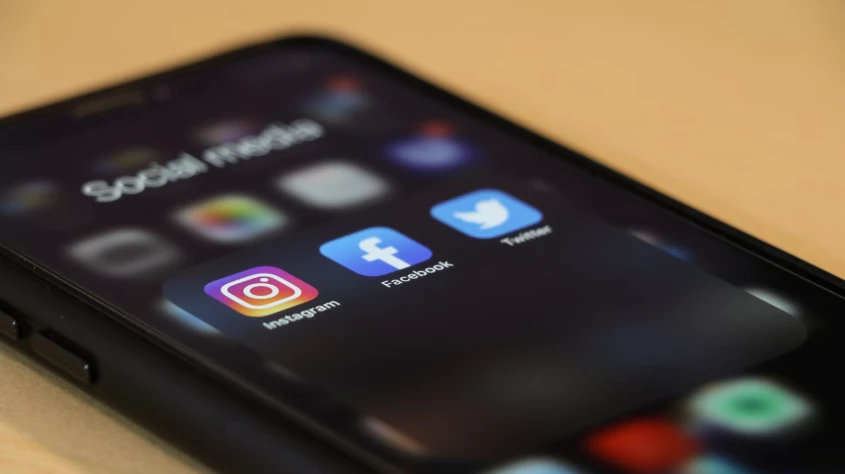
When flights are canceled for reasons related to mass events like airport staff or air traffic control strikes, severe weather, or widespread plane defects, the story often breaks on news and social media sites before the airline notifies you.
To stay on top of things, it might make sense to follow your frequently-used airlines and various news channels like CNN, Bloomberg, and Reuters. When a news site reports on large-scale cancellations, the airline will have trouble denying the reason.
How To Get The Jump On Canceled Flights
Aside from learning the reasons behind a flight cancellation, to minimize any travel disruptions, it’s crucial to be notified of the canceled flight ASAP. Here are a couple of recommended tools:
Google Flights
Since 2018, Google Flights in conjunction with Google Assistant has been able to let users know about flight disruptions. Many people report getting a notification from Google hours ahead of the official communication from the airline. This lead time is best used to re-book your flight or find accommodation for the night.
Especially when multiple flights from the same airport are canceled or severely delayed simultaneously, acting fast is crucial. Otherwise, you may be stranded longer than necessary at the airport.
Airline Apps
It’s worth downloading your airline’s app before you’re set to travel. While not a perfect science, many airlines use their apps as the first point of contact for customers. Just make sure you enable push notifications and you could receive word of the cancellation ahead of some of your fellow passengers. This will allow you to make the necessary arrangements ahead of the masses.

Common Reasons Why Flights Get Canceled
With everything going on in the air and on the ground, the reasons for flight cancellations are varied. Wondering which are the most common? Here are a few:
- Extreme weather
- Air traffic control limits flights that can take off or land.
- Industrial action. Strikes by any number of groups can quickly cancel flights, including airline staff, ATC, baggage handlers, and ground crews.
- Economics. Some airlines will cancel flights when not enough seats have been booked.
- Aircraft issues. This can be anything from your plane getting stuck at a previous destination, mechanical problems, manufacturing defects, or damage on a previous flight, like bird or lightning strikes.

In the US, cancellations frequently spike due to thunderstorms in the summer, winter storms in the Midwest and Northeast, hurricanes along the Gulf and East Coasts, or wildfires on the West Coast. Major US hubs like Chicago O’Hare, Dallas-Fort Worth, and Newark are particularly susceptible.
Disrupted flight?You might have a right to compensation - up to $650.Check Your Flight
Navigating Cancellation Confusion - Final Thoughts
One of the best ways to minimize flight interruptions is by staying on top of your flight’s status. Knowing about a flight cancellation as soon as it happens can help you re-book quickly and avoid a ruined trip. Knowing the reason your flight was canceled will determine whether or not you can claim airline compensation. These two things go hand in hand.
Your first point of contact to determine why your flight is canceled should be the airline. But if they don’t provide it, check as many other sources as you need to get to the bottom of the situation. Try social media, news platforms, flight trackers, airports, and anything else to get the information you need.
If you're flying to or from the EU or with an EU airline, even if you're in the US, AirAdvisor may be able to help you claim compensation. US laws don't require airlines to pay for most delays or cancellations, but you're still entitled to a full refund if the airline cancels and you choose not to travel.


Author:
Amy LancelotteJob/Position: Senior Writer & Content Creator
Amy Lancelotte is a Senior Content Writer and editorial contributor at AirAdvisor with more than seven years of experience producing research-driven articles for global audiences. Her work focuses on travel, aviation, and air passenger rights, with an emphasis on factual accuracy, verified data, and clear, reader-first explanations.

No feedback

Flight Compensation Calculator:
Check if you are entitled to flight delay compensation in just 3 minutes.