




To find past flight history, log in to your airline account or the online travel agent you booked with, or search your email inbox for the booking confirmation.
If you don't have those:
- Look up the flight number and date on a flight tracker like Flightradar24, FlightAware, or Flightera
- Check your bank statement for the flight booking and passport stamps
- Pull your official arrival and departure history from government border records.

Note: These same records also matter when you need to prove a delay or cancellation to claim compensation.
Thankfully, modern-day tools have made retrieving your past flight information more convenient than ever. Once you have the details, it’s possible to claim up to £220, £350, or £520 for disrupted flights.
And because you have 6 years from the flight date in England and Wales and 5 years in Scotland, going back a long way to find your past flight info is crucial. Let’s get into it.
Key takeaways
- Start with the easiest option: log in to your airline account and check the My Trips (or similar section).
- Look through your emails for your booking reference by searching keywords like the airline name, book, confirmation, and flight.
- Use platforms like FlightRadar24 to look up previous flights, though free plans can be limited.
- Check your bank/credit card statement to get the date you paid for the flight.
- Submit a Subject Access Request for travel history (UK).
- It’s worth looking up these old flight details because it can serve as evidence to substantiate a UK261 compensation claim. These claims can go back 6 years in England and Wales and 5 years in Scotland.
10 ways to retrieve old flight details
There are several ways to find past flight information, whether you're a digital expert with every app at your fingertips or someone who prefers traditional methods. Below, we explore some of the most effective approaches:
Contact the airline directly
One of the most straightforward ways of tracking down past flight details is to contact the airline you travelled with directly. Each airline has a customer service team that is equipped to handle these requests. By providing them with essential details, for example, your passport number or frequent flyer details, the airline can locate the historical flight data you seek.
For instance, you may wonder how to find past flight information on British Airways. In this case, you could either call the airline using your region’s BA customer service number, look up your trips online, or submit an enquiry form on the British Airways website.
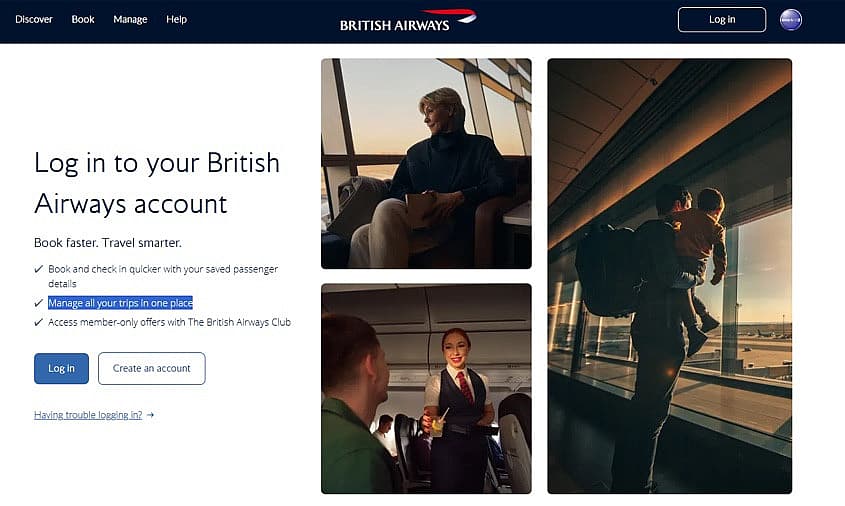
If customer service cannot help, you have a stronger option. Under the UK GDPR (General Data Protection Regulation), you can send the airline a Subject Access Request asking for a copy of the personal data it holds on you.
This data includes your Passenger Name Record and booking history. The airline must normally respond within one month and cannot charge for a standard request. Travellers in other regions often have similar rights under local privacy law.
When communicating directly with an airline in search of historical flight details, it's essential to be clear and specific to speed up the process and ensure you receive the necessary information.
Use online booking platforms
Online booking platforms, including Skyscanner, Kayak, Expedia and Booking.com, have become popular tools for comparing and securing flight deals.
Once you book a flight through an online booking platform like one of these, your flight details are stored in your personal account.
To access your past bookings, simply log in and head to the section often named My Trips or Booking History. In this section, you'll find a list of your past travel information in chronological order, allowing you a quick snapshot of dates, destinations, and other essential details.
If you booked through a travel agent rather than online, ask them directly, as agencies keep archived booking records that often go back years.
Check email records
When you book a flight, you'll receive a booking confirmation email from the airline or ticketing agent. This email typically contains all the specifics of your trip, from flight numbers to terminals and departure times.
If you're trying to trace back to a particular flight, a simple search in your email inbox can sometimes be the quickest route.
To do this efficiently, consider using specific keywords to search your inbox. For example, the airline's name or your destination. It pays to have a dedicated folder for travel-related emails to streamline this process.

Check your calendar and cloud storage
Two places travellers often overlook are their calendar and their cloud storage. Gmail, Outlook, and Apple Mail automatically add flight itineraries to Google Calendar, Outlook Calendar, and Apple Calendar, so scrolling back to the travel date frequently reveals the information you need in a single entry:
- Flight number
- Flight times
- Departure and arrival airport
Additionally, much of the same information can likely be found on or in:
- Old boarding-pass PDFs
- Itinerary screenshots
- Apple/Google Wallet
- Dropbox
To make the search easier, use terms like "boarding pass," "itinerary," or the airline name across those services to surface a record you thought was long gone.
Check your Google travel history
If you have a Gmail account or use other Google services, you have a few extra ways to look up past flight information.
- Google Travel Trips at google.com/travel/trips can automatically extract flight confirmations and other types of travel bookings from Gmail. All the previous info you need may already be there.
- Gmail easily lets you search by using the airline name or terms like “e-ticket” and “flight confirmation” to find old booking details.
- Your Google Maps Timeline, if enabled when you travelled, will show your location history and may help you identify when you were in a specific city or visited an airport.
Use flight tracking websites and apps
Flight tracking websites and apps, such as FlightAware, Flightradar24, and Flightera, can be great tools for sourcing both live and historical flight data.
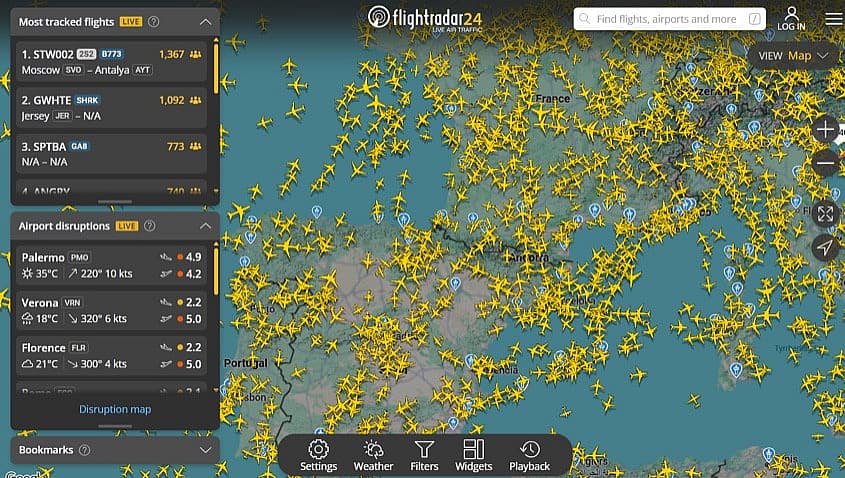
While these platforms were initially introduced to monitor live flights, many of them have now expanded their offerings to include flight history.
By entering a past flight number and date, you can retrieve historical data on a flight's route, timings, and more, though how far back you can look depends on the platform and your subscription tier.
Using flight tracking sites to find information on past flights is usually straightforward. Typically, you'll need to enter the relevant flight details and follow the prompts.
As these platforms have extensive databases behind them, allowing them to provide detailed information on past flights, they're often a go-to for those looking to retrace their flight movements.
The free window varies a lot between platforms, so it helps to know how far back each one reaches before you start:
| Platform | How far back (free) | With a paid plan |
Flightradar24 | 7 days | 90 days (Silver), 1 year (Gold), 3 years (Business) |
FlightAware | Recent flights only (about 3 months) | Deeper archives on paid and enterprise plans |
Flightera | Back to September 2017 | Free to search |
FlightStats (Cirium) | About 7 days | Historical status archive on paid plans |
Plane Finder | About 2 weeks | Up to 365 days (premium) |
If you only have a partial memory of the trip, Flightera is often the most useful free option because it lets you search by route and date and reaches back to 2017 at no cost.
Check your bank or card statement
If you paid for the flight yourself, your bank or credit card statement is a reliable paper trail. The transaction line usually shows the airline or travel agent's name and the date you paid, which helps you pin down when you booked and, often, the airline you flew with.
Pair this with an email search or a call to the airline, and you can usually reconstruct the full itinerary even if you have no other record.
Accessing passport or travel records
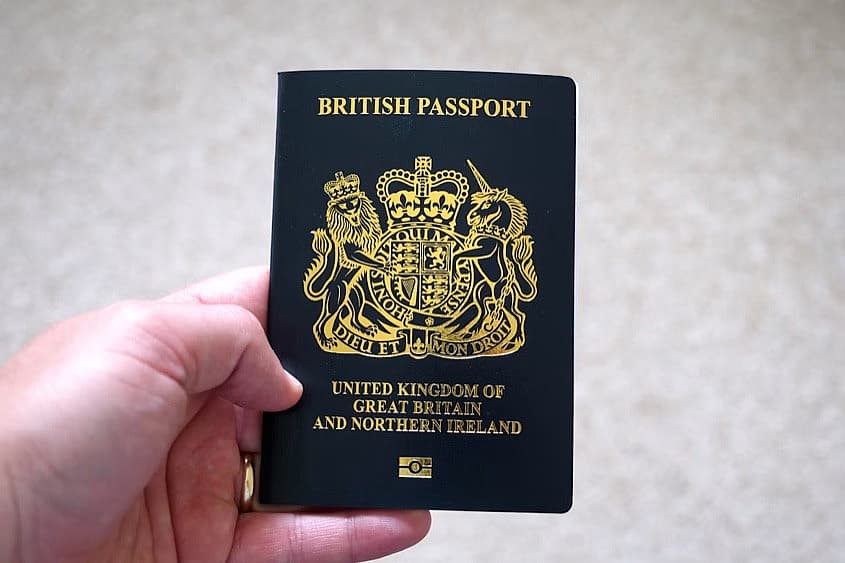
Aside from being essential for travel, the stamps and annotations within your passport can offer valuable insights about your past flights and destinations. Additionally, other travel documents, like visas or boarding passes, can help you piece together the puzzle of your past travels.
For instance, an entry stamp marked Heathrow Airport, London on 10 May 2022, with an exit stamp from Gatwick Airport, London on 22 May 2022, indicates a trip to England during that period.
While not the most efficient method to find previous flights, these stamps offer a tangible timeline of your travels.
Pull your government border records
When you need dates you can stand behind, for example, for a visa or residency application, government border records are the most authoritative source.
In the UK, the request must be made to the Home Office. It’s called a Subject Access Request (SAR) that’s governed by the UK GDPR and Data Protection Act 2018.
Once all the required documents are received, it generally takes about one month to receive your SAR.
Can airport records confirm a past flight?
Generally, no, it’s not the most efficient route to take. Ground staff at the airport are limited in the information they can release, and you usually need to go through the proper channels, either by writing to the airlines or making a SAR.
But that doesn’t mean the airport can’t help at all. Try searching for your airport’s published arrival and departure archives or the specific airline’s operations record to confirm that a flight operated on the date and time in question.
These may be harder to find, so only use this approach if you’ve already exhausted the flight tracking and airline methods.
Why you might need to locate old flight itineraries
When travelling, it's easy to underestimate the importance of keeping a detailed record of your flight itineraries. Aside from simply helping you retrace the steps of a memorable journey, a complete flight history has several practical implications.
Firstly, it serves as proof of travel, which you may require in various administrative or professional situations. It can also be helpful when reconciling personal or business expenses at the end of the financial year, especially for frequent fliers.
Below are some other scenarios that underline the importance of having access to comprehensive flight history:
Seeking compensation for a delayed or cancelled flight
Imagine you experience a lengthy delay when catching a flight out of Paris during a business trip. It was likely more than just an inconvenience for you. You may have missed meetings or incurred additional expenses because of the delay.

By accessing your flight history, you can substantiate your claim for a delayed flight or claim cancelled flight compensation from the responsible airline.
Your air passenger rights allow you to claim under the UK flight compensation rules for a delay or cancellation for up to 6 years in England and Wales and up to 5 years in Scotland, so old records are often exactly what proves your case.
Here’s what AirAdvisor’s CEO, Anton Radchenko, had to say about the importance of historic flight information:

Passengers often don’t think about keeping their flight details until they need them. Having the flight number, date, and route makes it much easier to establish what happened and get the UK261 compensation you’re owed.
— Anton Radchenko, CEO at AirAdvisor
Once you have the past flight details, easily determine your eligibility for compensation and receive the funds duly owed to you.
Flight delayed over 3 hours or cancelled?See if AirAdvisor can get you compensation.
Check Your Flight
Verifying travel for visa or residency applications
When applying for a visa or residency in certain countries, you may need to submit a detailed travel background, including a full flight history of all individual flights you've taken.
Historical data relating to your past flights can be invaluable in such scenarios, verifying your flight dates and destinations. Government border records and government travel records (SAR) can prove invaluable.
Reconciling expenses and taxes
Freelancers and business travellers often need dated proof of travel to claim expenses or support a tax deduction. A booking confirmation, card statement, or itinerary with the route and date on it is normally enough for an accountant or employer.

Tips for maintaining your personal flight history
Here, you can find some quick tips to help you keep a solid record of your personal flight history:
- Create a dedicated email folder: Create a unique folder in your email account to house all flight confirmations and other communications related to travel.
- Use digital document scanning apps: There are a range of apps such as Evernote or Microsoft Office Lens that can scan and store flight tickets, boarding passes, and other relevant travel documents.
- Maintain a travel journal: If you're a note-keeper by nature, consider a dedicated travel diary or section in your daily planner to jot down flight details, including dates, numbers, airlines, and any noteworthy experiences.
- Regularly update digital calendars: Add your flight details to digital calendars like Google Calendar or Apple's iCal straight away after making your booking.
FAQs
If you still have pending questions about finding information relating to past flights, you might find them answered below:
There are 3 potential ways to do this:
- Google Travel – see journeys automatically created from flight confirmation emails in your Gmail account.
- Google Maps Timeline – shows places you’ve visited and the date.
- Gmail – search for terms like “flight confirmation” or “e-ticket.”
A good option to find historical data relating to flight arrival and departure times is to use a flight tracking website such as FlightAware, Flightradar24, or Flightera. Airline official websites may also work in the My Trips or similar section of your account, where you can look up a previous flight by date. Your email is another solid source by searching for the airline name.
Yes. For travel to and from the UK, you can make a Subject Access Request (SAR), and within one month, you will gain access to any applicable information stored on the Home Office’s immigration systems.
Passenger Name Record (PNR) data is collected, and you have a right to access it.
It depends on the source. Free flight trackers show only a short window: Flightradar24 history gives you 7 days, and FlightAware history is roughly the last few months. Paid tiers reach much further, typically up to 3 years.
The first thing to do is review email or text message correspondence from the airline or your ticketing agent. It's common for these entities to send out notifications about cancelled flights.
Flight tracking websites can also provide this information, though your access to it may depend on your subscription tier. For a direct approach, you can call the airline or submit an enquiry on their website to receive a definitive answer regarding historical flight statuses.
Airlines operate within stringent regulatory frameworks that dictate how long they keep passenger records. For example, the UK Border Agency asks that passengers' details be stored for up to 5 years.


