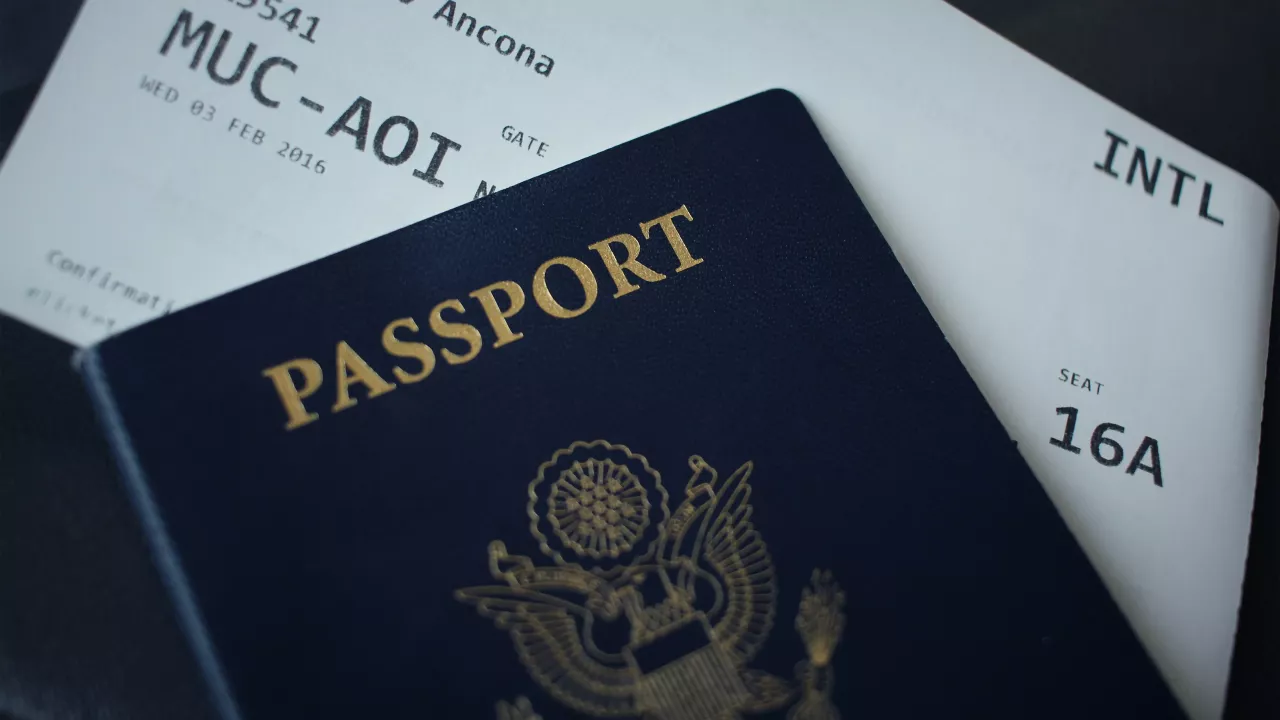




Being denied boarding due to documentation issues means the airline believes your passport, visa, or other travel documents do not meet the entry or transit requirements for your journey.
However, situations like this are more common than many travellers realise, and the airline’s decision is not always correct. In some cases, it can be challenged. Knowing what to do at the airport, and understanding how UK and international passenger rights may apply, can make a significant difference in how the situation is resolved.
What “Denied Boarding Due to Documentation” Means
When an airline denies you boarding for documentation reasons, it is saying that your travel documents do not meet the entry, transit, or airline carriage requirements for your journey.
This can mean that you have problems with any of the following:
- Passport validity, damage, or blank pages
- Visas or transit visas
- ESTA, eTA, ETA, or other travel authorisations
- Post‑Brexit entry rules for UK passport holders
- Name mismatches between your ticket and passport
- Onward or return travel requirements
In some cases, airlines are legally required to deny boarding when a passenger doesn’t have the correct travel documents, but in others, the decision may be an overly cautious move by the airline, based on outdated information, or simply an error on their part. Here’s what you should do.
Step 1: Ask for a Clear Explanation at the Airport
If you are denied boarding, do not accept vague explanations. Instead, ask the airline staff to explain:
- Which document is considered invalid or missing
- Which country’s rule they are referring to, and
- Whether the issue relates to your final destination or a transit country
If possible, ask for this explanation in writing, even if it is just a short note, email, or case reference. This information will be vital if you decide to challenge the decision later.
Step 2: Check Official Entry Rules Using UK Sources
Airlines rely on automated compliance systems to check passport, visa, and entry rules, but these systems can be outdated, overly cautious, or misinterpreted by staff at the airport.
So, if time allows, UK passengers should:
- Check GOV.UK foreign travel advice for your destination country
- Review the official embassy or immigration website for visa and passport rules
- Confirm passport validity requirements, including whether six months’ validity is actually required
If you can provide official guidance that proves your documents are valid, then politely ask the airline to reassess their decision.
Step 3: Escalate (Calmly) if You Believe the Decision Is Wrong
Check-in and gate agents usually have very limited discretion when it comes to travel documents. In many cases, they are required to follow what their system tells them, even if it appears to be incorrect. That means the first decision you’re given is not always the final one.
If you believe the denial is wrong, escalation is often your best option.
How to escalate your case
If time allows, politely ask to speak with a supervisor or duty manager. These staff members typically have more experience and, in some cases, greater authority to review the situation.
It’s very important that you:
- Stay calm and respectful. Speaking harshly, loudly, or disrespectfully can make staff less willing to reassess your situation..
- Stick to the facts, not opinions. Avoid using phrases like “I think” or “I feel” and focus on what the official rules say.
- Refer to official government sources, like GOV.UK travel advice or embassy guidance
What to expect next
Escalation does not guarantee that the decision will be reversed. Airlines are very careful when it comes to travel documents because they could be heavily fined if they transport passengers who are refused entry. Even supervisors may be reluctant to override the system.
However, by escalating your case you’ll be able to:
- Clarify whether the issue is a genuine rule or a misunderstanding
- Ask for a written explanation of the denial, which is crucial for filing a claim
- Increase the chances of a correction if the rule was wrongly applied
If you still aren’t permitted to board your flight, ask the supervisor to note the reason clearly in your booking record or provide a written reference. This documentation can make a significant difference if you later request a refund or compensation.
Step 4: Understand Your Rights Under UK Law
Documentation‑based denied boarding is treated differently from overbooking, so it’s important to understand what you are and are not entitled to.
Refund rights for UK passengers
If the airline refuses to carry you and you do not travel:
- You may be entitled to a refund of the unused ticket
- This is especially relevant where the airline’s decision was incorrect or overly cautious
Refunds are often the first and most realistic form of recovery in documentation cases.
UK and EU passenger rights (UK261 / EU261)
Under UK261 and EU261:
- Airlines do not owe compensation if boarding is denied because a passenger genuinely lacks the required travel documents
- However, if the airline applied the rules incorrectly, passengers may still challenge the denial and pursue further remedies under our denied boarding compensation rules
Each case depends on whether the documentation decision was justified.
Can You Get Compensation If the Airline Made a Documentation Mistake?
Under UK261, airlines do not owe compensation when boarding is denied because a passenger genuinely lacks the required travel documents. In these situations, the denial is considered justified, even if it causes major disruption in your travel plans.
When compensation may be possible
Compensation is only possible if the airline wrongly denies you boarding, which can include situations where:
- Your passport, visa, or travel authorisation was valid, but staff applied the wrong rule
- You were denied boarding due to incorrect transit visa requirements
- Passport validity rules were misinterpreted (for example, applying a six‑month rule where only three months was required)
- The airline relied on outdated or incorrect database information
In these cases, the denial may be treated as an unjustified refusal rather than passenger fault.
What compensation could apply
If a documentation denial is found to be unjustified and your flight departed from the UK or EU, the situation may be treated as involuntary denied boarding. If this is the case, then fixed cash compensation up to £520 may be possible, depending on your flight distance and how late you arrived at your final destination.
Situations like this are rare, but they do happen, particularly when you have strong evidence to show that the airline made a clear error.
To have any chance of compensation, you must be able to show:
- That your documents were fully compliant with official entry rules
- That the airline relied on incorrect or misapplied requirements
- That the denial directly caused you to miss your flight
Step 5: Keep Evidence and Receipts
Collecting supporting evidence about your denied boarding experience is essential if you later submit a complaint, refund request, or compensation claim.
If you are denied boarding, keep:
- Your boarding pass or proof of check‑in
- Any written explanation or reference number from the airline
- Screenshots or printouts of official entry requirements
- Receipts for additional costs such as hotels, meals, or replacement flights
Disrupted flight? You might have a right to compensation - up to €600.Check Your Flight
Common Situations Where Airlines Get It Wrong (Common Search Scenarios)
Passengers often search for answers after being denied boarding for reasons like "passport validity", "visa not required", "wrong entry rules", or "airline says documents invalid". These scenarios are common because airlines apply immigration rules conservatively and sometimes incorrectly.
Below are the most frequent documentation situations where UK passengers are wrongly denied boarding:
1. Confusion over post‑Brexit visa‑free travel rules
Since Brexit, UK passport holders face different entry rules than EU citizens. This has led to widespread confusion at check‑in desks.
Common problems include:
- Airlines incorrectly assuming UK citizens need visas for short stays where visa‑free access still applies
- Staff confusing tourist entry rules with work or long‑stay requirements
- Misunderstanding bilateral visa‑free agreements that remain in place for UK nationals
In many cases, passengers are legally allowed to travel, but airlines may deny boarding just to be extra careful.
2. Mistakes about transit visa requirements
Transit visas are one of the most common causes of wrongful boarding denial. Airlines may incorrectly deny you boarding when:
- A transit visa is only required for landside transit, not airside connections
- Transit visa rules apply to some nationalities but not UK passport holders
- The passenger is transiting through an airport without passing border control
These errors are particularly common on itineraries involving EU hubs, the US, or long‑haul connections.
3. Overly strict interpretation of passport validity rules
Many passengers are denied boarding because staff apply blanket rules such as "six months validity" without checking the actual country‑specific requirement.
In reality some countries only require validity for the length of your stay, while others require three months validity, not six. Also, entry rules can differ depending on bilateral agreements with the UK.
4. Acceptable name formatting differences
Name mismatches are another frequent issue that can lead to denied boarding. Missing middle names on tickets, spacing or hyphenation differences, or inconsistencies between your passport and your booking details caused by the airline’s systems.
In many cases, however, these differences are legally acceptable and should not prevent travel.
5. Outdated or misapplied airline databases
Airlines rely on internal databases to assess documentation requirements. The trouble is, these systems are not always updated in real time. Plus they don’t always reflect recent rule changes and they can be interpreted and applied incorrectly by busy airline staff.

What to Do After You Miss the Flight
If you miss your flight because of a documentation issue, here’s what you should do:
- Submit a formal complaint to the airline
Use the airline’s official complaints or customer service form to send your complaint. Clearly state that you were denied boarding due to documentation issues and explain why you believe the decision was incorrect. Be sure to include dates, flight numbers, and staff explanations if available. - Request a refund if you did not travel
If you were unable to fly and chose not to continue your journey, ask for a ask for a refund of the unused portion of your ticket of the unused portion of your ticket. Emphasise that the airline refused boarding and that you did not voluntarily cancel your trip. - Provide evidence that your documents were valid
Attach screenshots or links from GOV.UK, embassy websites, or official immigration sources showing that your passport, visa status, or transit permissions were sufficient. This is often the most persuasive part of a challenge. - Request reimbursement for reasonable expenses
If the denial forced you to pay for hotels, meals, transport, or replacement flights, include copies of your receipts. Explain that these costs were a direct result of being denied boarding. - Keep all communication in writing
Where possible, communicate by email or the contact form so you have a clear paper trail. Written records make escalation far easier if the airline later disputes your version of events. - Follow up and escalate if necessary
If the airline rejects your request or stops responding, follow up politely but firmly. You can escalate internally, use alternative dispute resolution where available, or seek independent support to assess whether the denial was handled correctly.
Taking these steps does not guarantee a positive outcome in every case, but it significantly improves your chances of recovering a refund or reimbursement when a documentation denial was incorrect or overly cautious.