The UK’s Worst Airports for Flight Cancellations Revealed
Which UK airports cancel the most flights? We ranked the UK’s busiest airports by cancellation rates using Civil Aviation Authority data, comparing performance in 2024 and 2025.


Sometimes, booking a flight feels like a leap of faith. Will it take off on time, be cancelled at the last minute, or leave you scrambling to rebook at the airport? For many travellers, these questions shape everything from when they travel to which airport they choose to fly from.
But what if you could see, in advance, which UK airports are most likely to cancel flights and which ones keep disruptions to a minimum?
Using the latest Civil Aviation Authority data, we analysed flight cancellation rates across 20 of the UK’s busiest airports, comparing the January to November period in 2024 with the same months in 2025. This side-by-side view reveals where cancellations are easing, where disruption remains persistently high, and how airport performance is shifting over time.
The 5 UK airports with the highest cancellation rates
To understand the rankings below, it helps to know how cancellations are defined—especially if you’re assessing eligibility for cancelled flight compensation. The Civil Aviation Authority classifies a cancelled flight as “the non-operation of a previously planned flight, announced less than 24 hours before or after its scheduled departure time”, capturing both late-notice cancellations and services withdrawn close to departure.
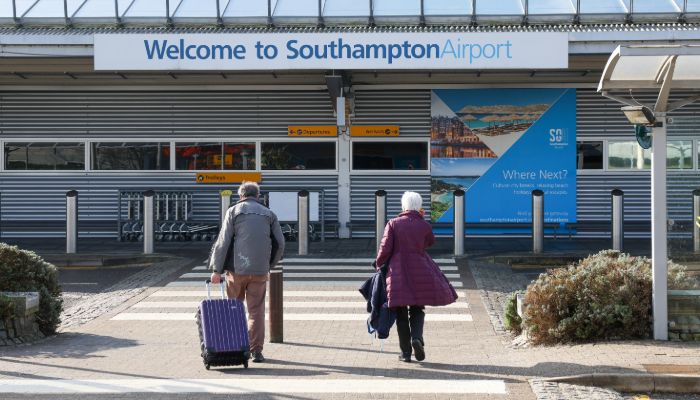
Southampton Airport
Southampton Airport recorded the highest cancellation rate of all major UK airports for the second consecutive year. According to Civil Aviation Authority data, between January and October 2025, 3 per cent of scheduled flights at the airport were cancelled.
Image source: southamptonairport.com
While this marked a slight improvement on 2024, when 3.1 per cent of flights were scrapped, Southampton still ranked worst overall, cancelling almost three times as many flights as the national average of 1.09 per cent.
2. Aberdeen Airport
Aberdeen is another UK airport with cancellation rates above the national average during the period analysed. In 2025, 1.8% of flights from Aberdeen were cancelled, placing it among the poorest performers despite broader improvements across the UK aviation sector.
3. Glasgow Airport
Glasgow Airport also recorded a cancellation rate of 1.6%, matching Aberdeen and exceeding the national average. This placed Glasgow firmly among the UK’s worst-performing major airports for cancellations, even as overall disruption levels declined nationwide.
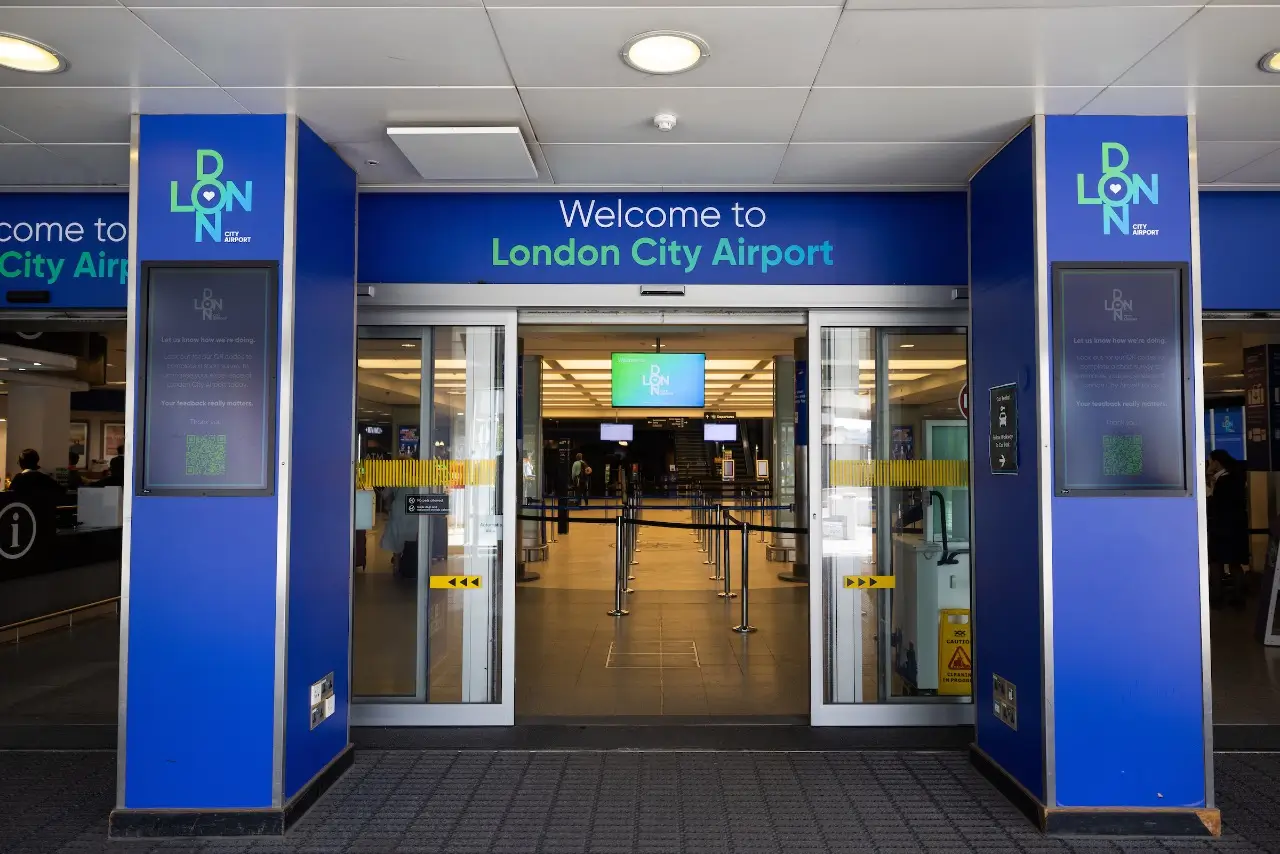
London City Airport
London City Airport recorded a cancellation rate of 1.5%, placing it among the airports with the highest proportion of scrapped services in 2025. Despite serving a smaller and more concentrated network, its cancellation rate remained above average, contributing to its position among the worst performers.
5. Heathrow Airport
Heathrow, the UK’s busiest airport, also exceeded the national average for cancellations. Between January and November 2025, 1.4% of flights at Heathrow were cancelled. While this rate was lower than those recorded at Southampton, Aberdeen, Glasgow, and London City, it still placed the airport among the five worst performers overall.
The 5 UK airports with the fewest cancellations

Bournemouth Airport
Bournemouth Airport recorded the lowest cancellation rate of any major UK airport in 2025. According to Civil Aviation Authority data, just 0.17% of scheduled services were cancelled between January and October, giving Bournemouth the best overall performance among the 20 busiest airports analysed.
Image source: bournemouthairport.com
While this marked a slight increase compared with 2024, when cancellations stood at just 0.04%, Bournemouth remained significantly more reliable than every other major UK airport.
2. Luton Airport
Luton Airport ranked second best overall, with only 0.34% of flights cancelled during the period analysed. This placed Luton well below the national average and among the most reliable airports for UK travellers in 2025.
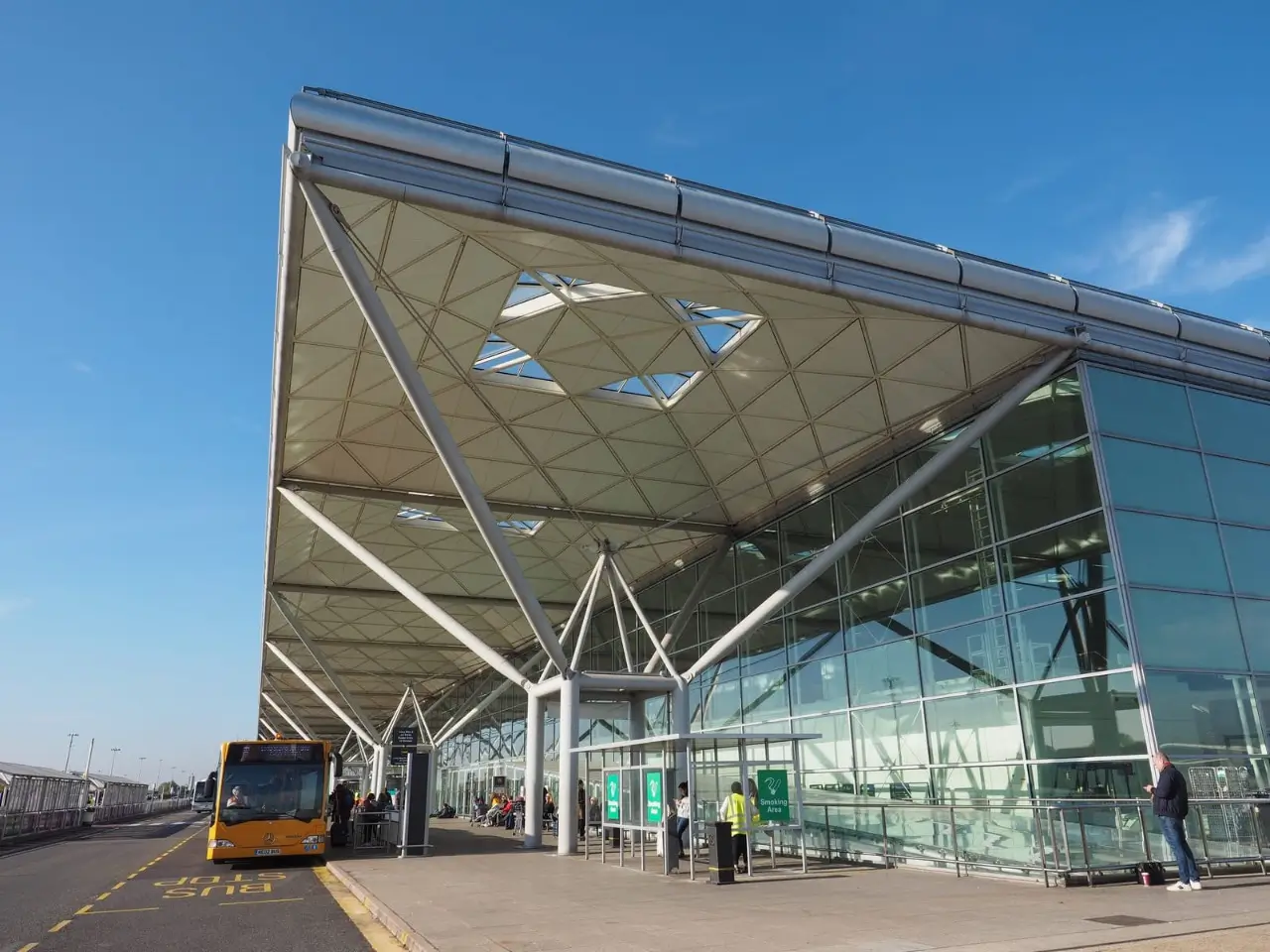
Stansted Airport
Stansted Airport also performed strongly, recording a cancellation rate of 0.41%. Fewer than one in every 200 scheduled flights were cancelled, reinforcing Stansted’s position as one of the UK’s more dependable major airports.
4. Belfast International Airport
Belfast International saw 0.49% of flights cancelled, placing it among the five best-performing airports for reliability. Its cancellation rate remained well below the national average, despite some year-on-year fluctuation.
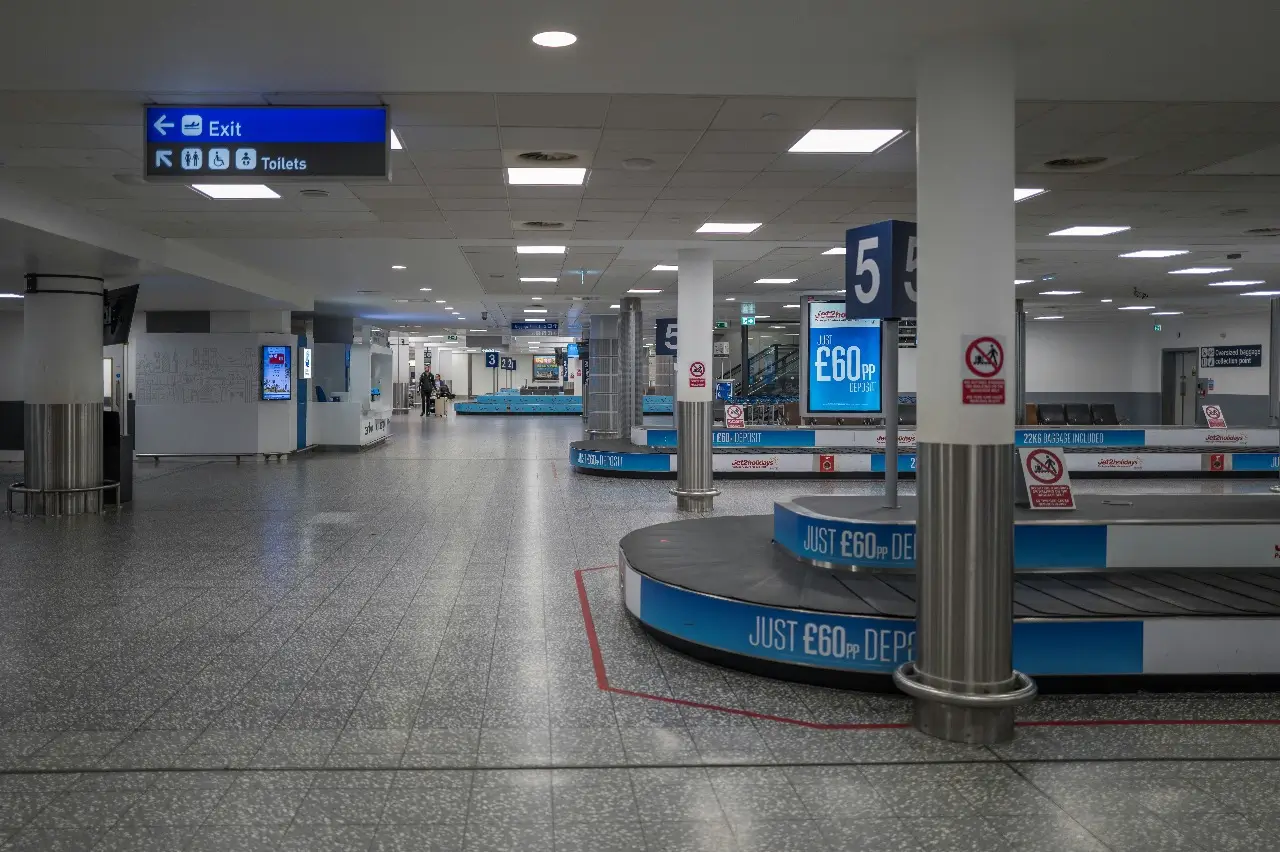
Bristol Airport
Bristol Airport rounds out the top five, with 0.51% of scheduled services cancelled in 2025. Although not as low as Bournemouth or Luton, Bristol still cancelled fewer than half the national average number of flights, placing it firmly among the UK’s most reliable airports.
UK Airport Cancellation Rates: 2024 vs 2025
The table below compares the percentage of scheduled flights cancelled at each airport across the same time period in two consecutive years, allowing for a clear year-on-year comparison.
Time period covered: January to November 2024 and January to November 2025
Source: Civil Aviation Authority (CAA)
Airport | 2024 | 2025 | Change |
Southampton | 3.30% | 2.98% | ↓ 0.32 |
Belfast City | 3.05% | 2.16% | ↓ 0.89 |
Aberdeen | 2.90% | 1.83% | ↓ 1.07 |
London City | 2.90% | 1.48% | ↓ 1.42 |
Cardiff | 2.20% | 0.89% | ↓ 1.31 |
Glasgow | 2.10% | 1.63% | ↓ 0.47 |
Leeds Bradford | 1.80% | 1.39% | ↓ 0.41 |
Heathrow | 1.65% | 1.36% | ↓ 0.29 |
Gatwick | 1.40% | 0.80% | ↓ 0.60 |
Edinburgh | 1.16% | 1.08% | ↓ 0.08 |
Newcastle | 1.00% | 0.84% | ↓ 0.16 |
Manchester | 0.90% | 1.01% | ↑ 0.11 |
Birmingham | 0.90% | 1.00% | ↑ 0.10 |
Bristol | 0.70% | 0.51% | ↓ 0.19 |
Stansted | 0.65% | 0.41% | ↓ 0.24 |
Liverpool | 0.52% | 0.84% | ↑ 0.32 |
London Luton | 0.50% | 0.34% | ↓ 0.16 |
Belfast International | 0.40% | 0.49% | ↑ 0.09 |
East Midlands | 0.30% | 0.52% | ↑ 0.22 |
Bournemouth | 0.04% | 0.17% | ↑ 0.13 |

Some airport-level figures are reported through October 2025, reflecting the most granular CAA data available. Only scheduled passenger flights at the UK’s 20 busiest airports by passenger volume were included in the analysis.
National picture shows improvement, but wide variation remains
Across those airports, cancellations fell compared to the same period in 2024. Between January and November 2025, 1.09% of flights were cancelled, down from 1.45 % during the same period in 2024. However, the national improvement overall masks sharp differences between the airports, with some hubs cancelling flights at nearly three times the average rate.

Air passengers in the UK can breathe a sigh of relief as we head into 2026, with most trend data suggesting that flight cancellations at British airports are falling. This is testament to the effort being shown by airlines and airports to improve their standards, but also the importance of legislation that holds carriers to account for delays and cancellations that they could have avoided. – Anton Radchenko, Esq. - Aviation Lawyer.
Under the UK’s version of Regulation 261, passengers may be entitled to compensation if a flight to or from the UK, or operated by a UK carrier, is cancelled with less than two weeks’ notice. Compensation ranges from £220 to £520 per passenger, depending on the distance of the cancelled flight.
For travellers planning flights in 2026, understanding which airports are most prone to cancellations, and knowing what protections apply when disruptions occur, remains key to navigating UK air travel with confidence.
Claim with AirAdvisor and get up to £520 compensationFind out how much you’re owed today.Check Your Flight

Author:
Joanna TeljeurJob/Position: Senior Editor & Content Lead
Joanna Teljeur is a senior editor and writer with 15+ years of experience in editorial leadership, journalism, and content development, specialising in consumer rights, aviation law, and public-interest reporting. Her work focuses on transforming complex regulatory and legal topics into clear, accurate, and accessible content for international audiences.